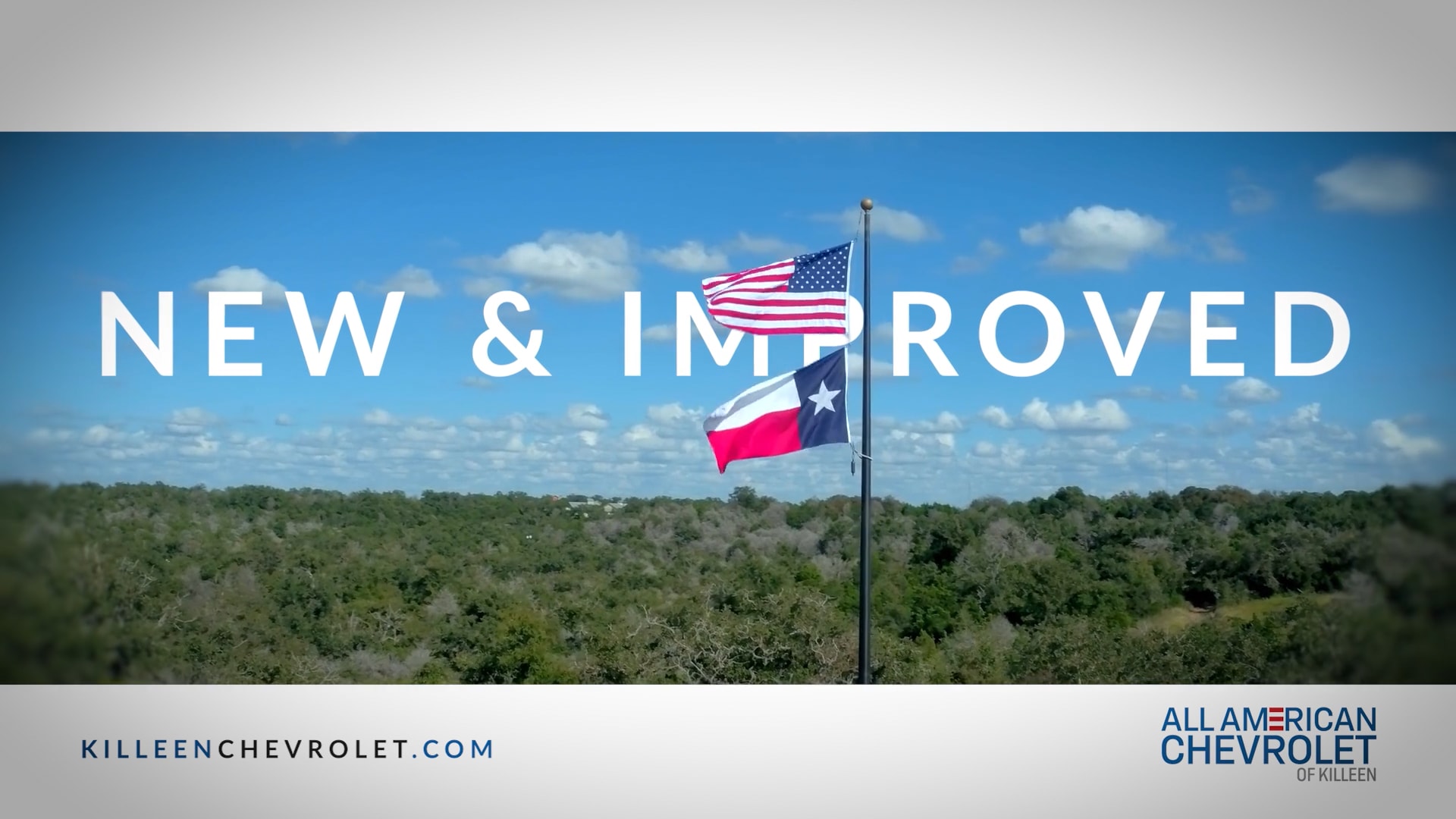
This dealership branding spot started with a script, a voiceover, and some basic direction. A new general manager wanted to introduce himself and give the store a fresh presence. The project came to me through an advertising agency, but there was one problem almost immediately: we did not have much actual store footage to build from.
I handled the editing, visual development, AI-assisted content, music design, sound, and final delivery. The finished campaign needed to work for broadcast and streaming in 60-second, 30-second, and 15-second versions. So the job was not simply finding enough shots to cover the voiceover. I needed to create a visual system that could carry the full message and still hold together when it was cut down.
The footage problem showed up right away
Limited footage changes the way I approach an edit. If I only think about filling the timeline, I end up repeating the same images or using shots that technically fit the words but do not feel connected. That can make a branding spot feel assembled instead of designed.
The team members were the most useful part of the material we had, so I used them as the center of the campaign. From there, I created and sourced the supporting visuals, developed select AI content, and worked out how every piece could feel like it belonged in the same spot.
The goal was to give the dealership a new visual presence without pretending we had footage that did not exist. Every added image still had to support the message, match the tone, and move the story forward.
Building a visual flow instead of collecting random shots
When the source material is thin, it is easy to start collecting anything that seems related. That usually creates more problems. The edit may have enough coverage, but it does not have a point of view.
I treated the visuals as one connected system. The pacing, framing, movement, team footage, created content, music, and sound all needed to feel like parts of the same idea. AI helped with specific visual needs, but it was one tool inside the process. It did not decide the structure or the story.
The decisions still came down to normal editing questions. What should the viewer see at this exact moment? What changes when the voiceover moves to the next idea? Where does the spot need more energy? When should it slow down long enough for the branding to register?
The edit had to work at three different lengths
The 60-second version gave the idea room to develop. The 30-second cut had to keep the main message and visual identity while moving faster. The 15-second cut needed to get to the point quickly without feeling like pieces were simply removed from the longer spot.
That is why I think about alternate lengths while building the main edit. A shot or transition can work well at 60 seconds and become confusing when the surrounding material is gone. The strongest visual moments need to survive on their own, and the message needs to stay clear even when there is less time to explain it.
The versions also have to feel like the same campaign. The pacing may change, but the visual language, music, sound, and overall tone should still be recognizable from one cut to the next.
Music and sound carried part of the structure
With limited original footage, music and sound became even more important. They helped connect material from different sources and gave the visual changes a consistent rhythm. I designed that part of the spot alongside the picture edit instead of treating it as something to add at the end.
That let the transitions, movement, and voiceover work together. The sound was not there to make the spot louder. It was there to make the edit feel intentional and help the viewer move through the message without noticing where one kind of source ended and another began.
The first cut became the final cut
The client loved the original cut and approved it without changes. That does not happen on every project, and it does not mean the process was simple. It means the decisions made before and during the edit gave the first presentation a clear direction that matched what the client needed.
Projects like this are a good example of what complete post-production can solve. The starting materials matter, but the finished piece depends on how those materials are shaped, supported, and connected. When there is not enough footage to lean on, the edit has to create the consistency.
You can watch the spot and see the full project details on the dealership branding project page, along with more of my video editing and motion-design work.